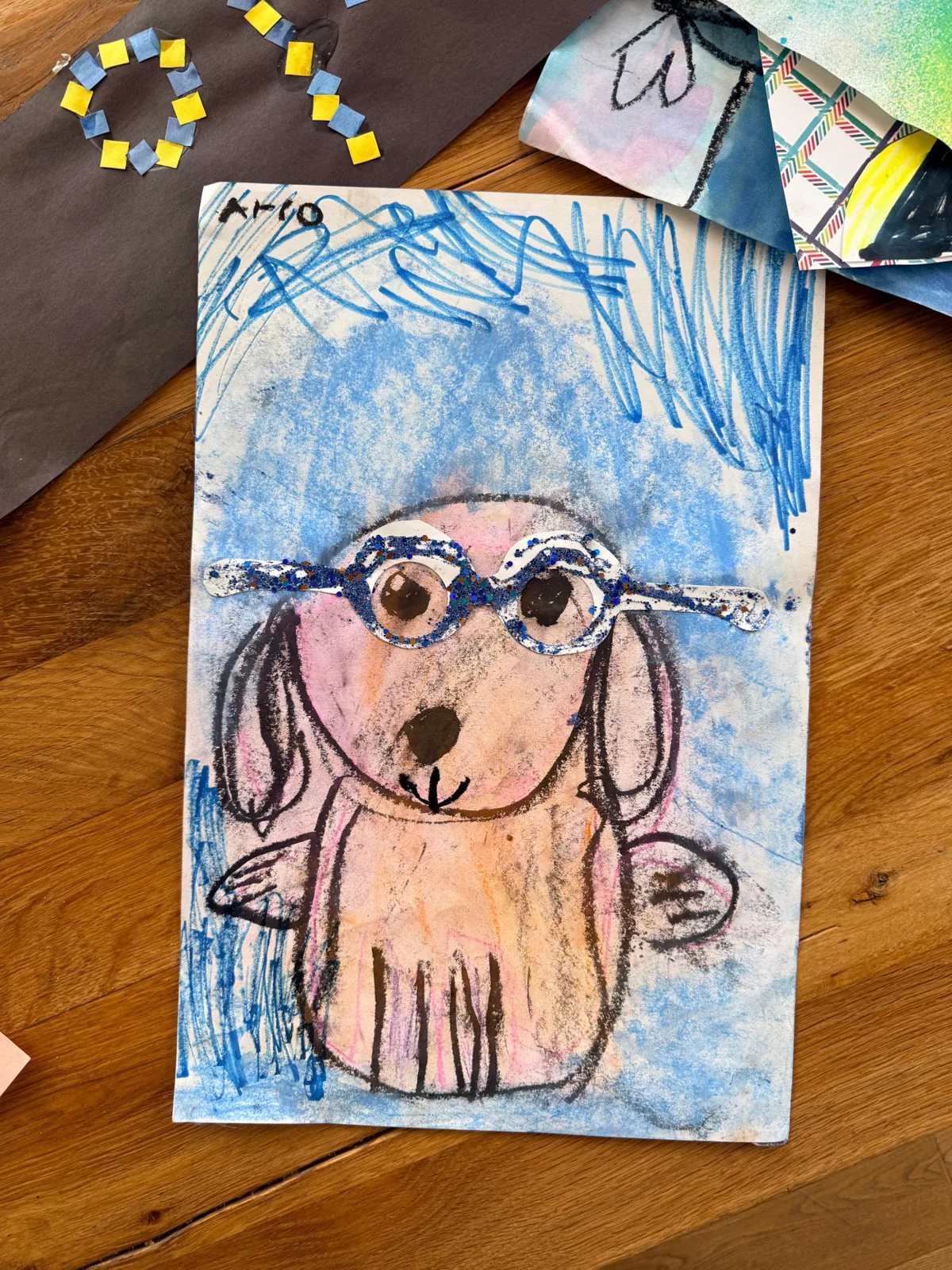
Let your kid choose what to keep
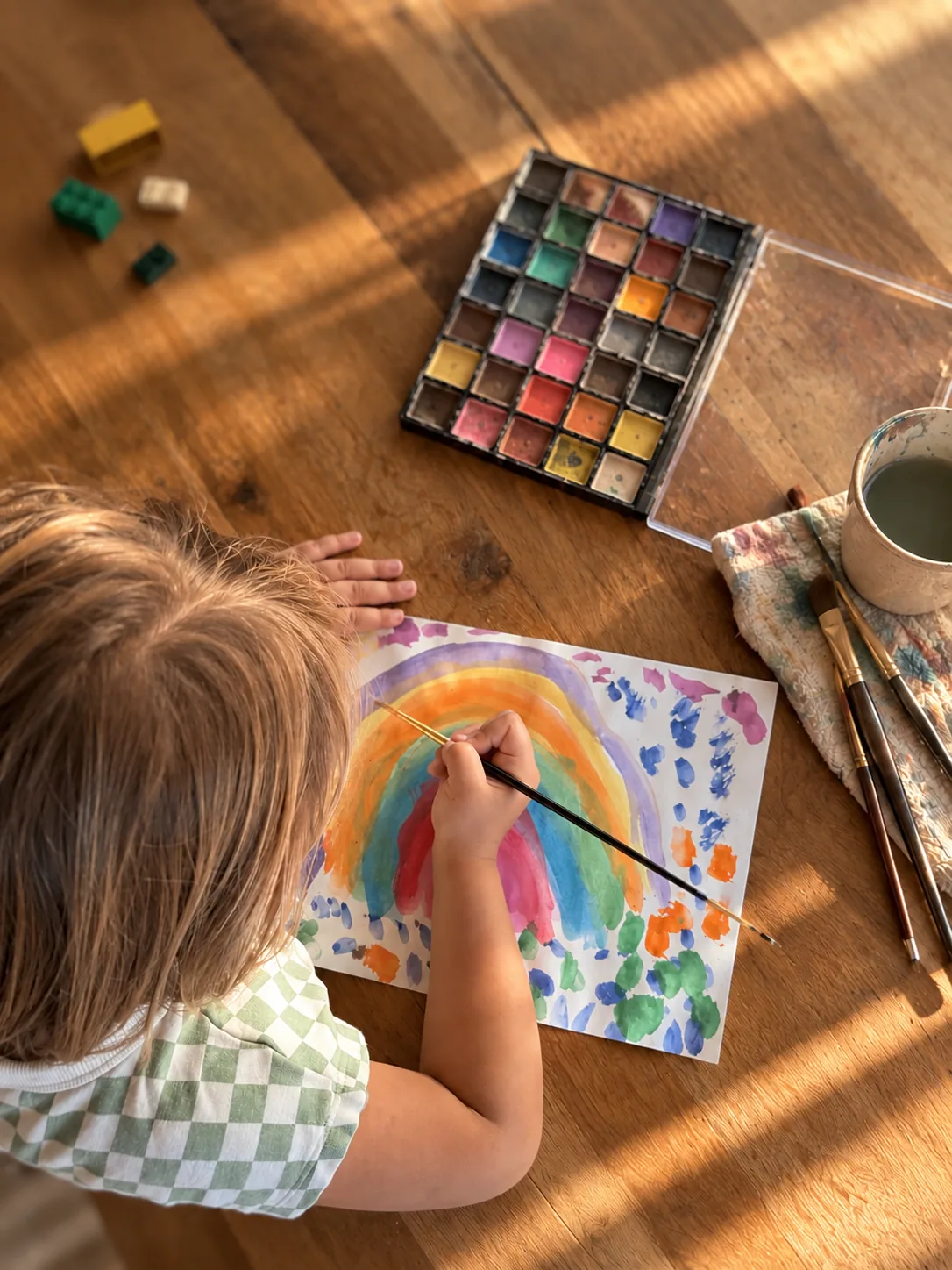
Ask the artist. Let your child pick the pieces that matter to them, add a few of your own favorites, and save those. It is quicker, kinder and often surprising.
Many parents end up with the same quiet rule: let the artist decide what stays. It is easier on you, and it matters to them.
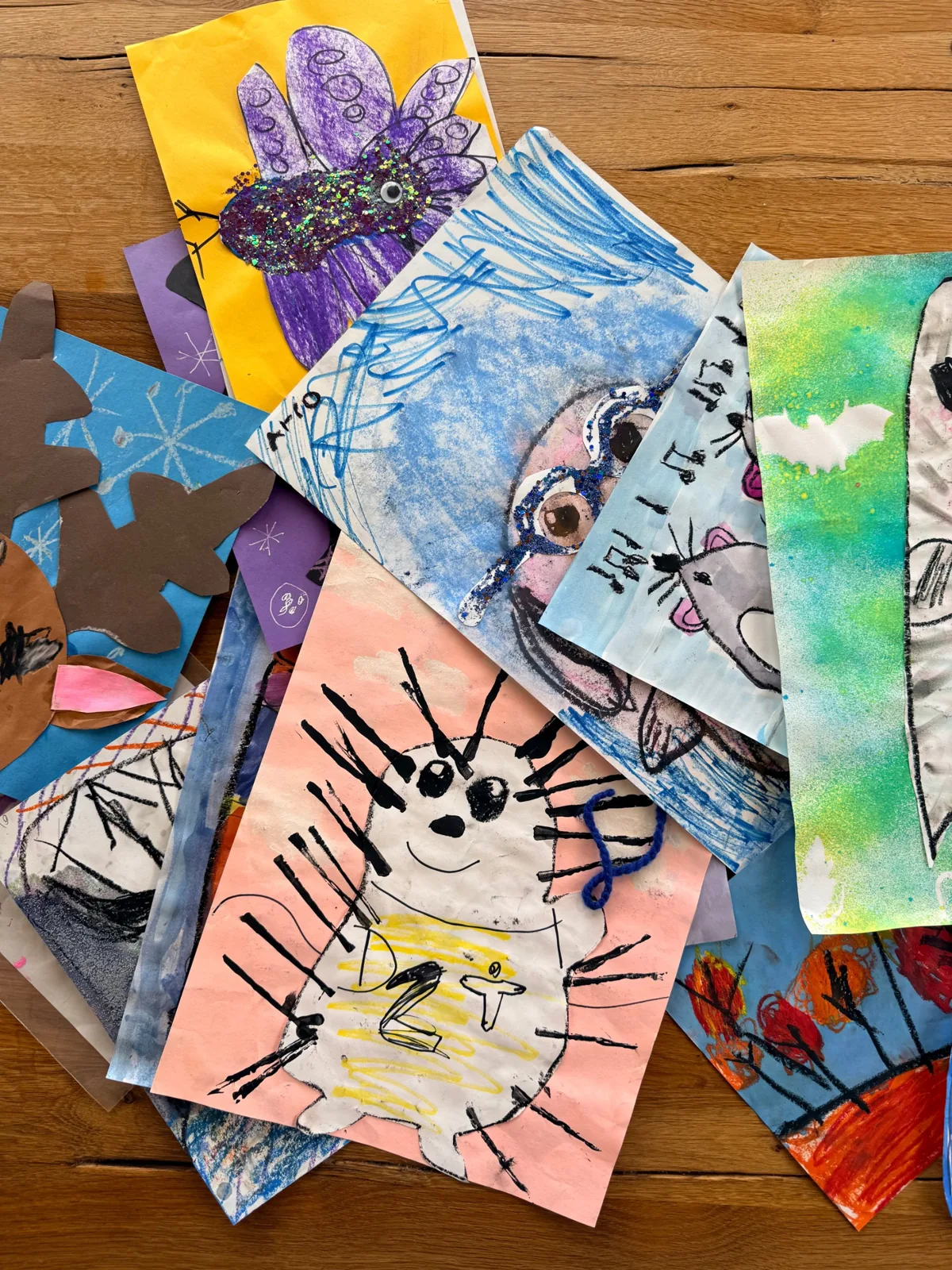
At some point, the pile needs sorting. And at some point you will realize that the drawing you were about to skip is the one your child calls their masterpiece.
If you are wondering which pieces to keep, the answer is simpler than it feels. Ask the artist.
Why does my child's vote matter?
Children see their drawings differently. A scribble that looks random to you might be a dragon with a name and a family. Their choice shows you what mattered to them, not what looks nicest on a wall.
It also teaches something kind. Their work is worth looking at, and choosing is a skill. They are learning to say what they love.
If your child wants to keep everything, that is a reasonable place to start. Try a gentle limit, like choosing three, and see how they respond. Many children enjoy the little challenge of picking.
Research on children's drawing (Rotenberg, Jolley, Barlow and Cox, 2016) suggests drawing peaks around 12, then fades for most of us. These pieces are some of the best drawing your child will ever do. Source: Rotenberg, Jolley, Barlow and Cox, 2016
How do I make it an easy question?
Big open questions can be overwhelming. Try small ones:
- Which one is your favorite from this week?
- Which one was the most fun to make?
- Which one should we show Grandma?
- Which one tells a good story?
Two or three answers is plenty. You do not need a verdict on every sheet.
A quick way to do this is to ask, "Tell me about this one," and then simply listen. Do not correct or guide. Whatever they say is the title, and it is usually better than anything you would have written.
Should I write down what they say?
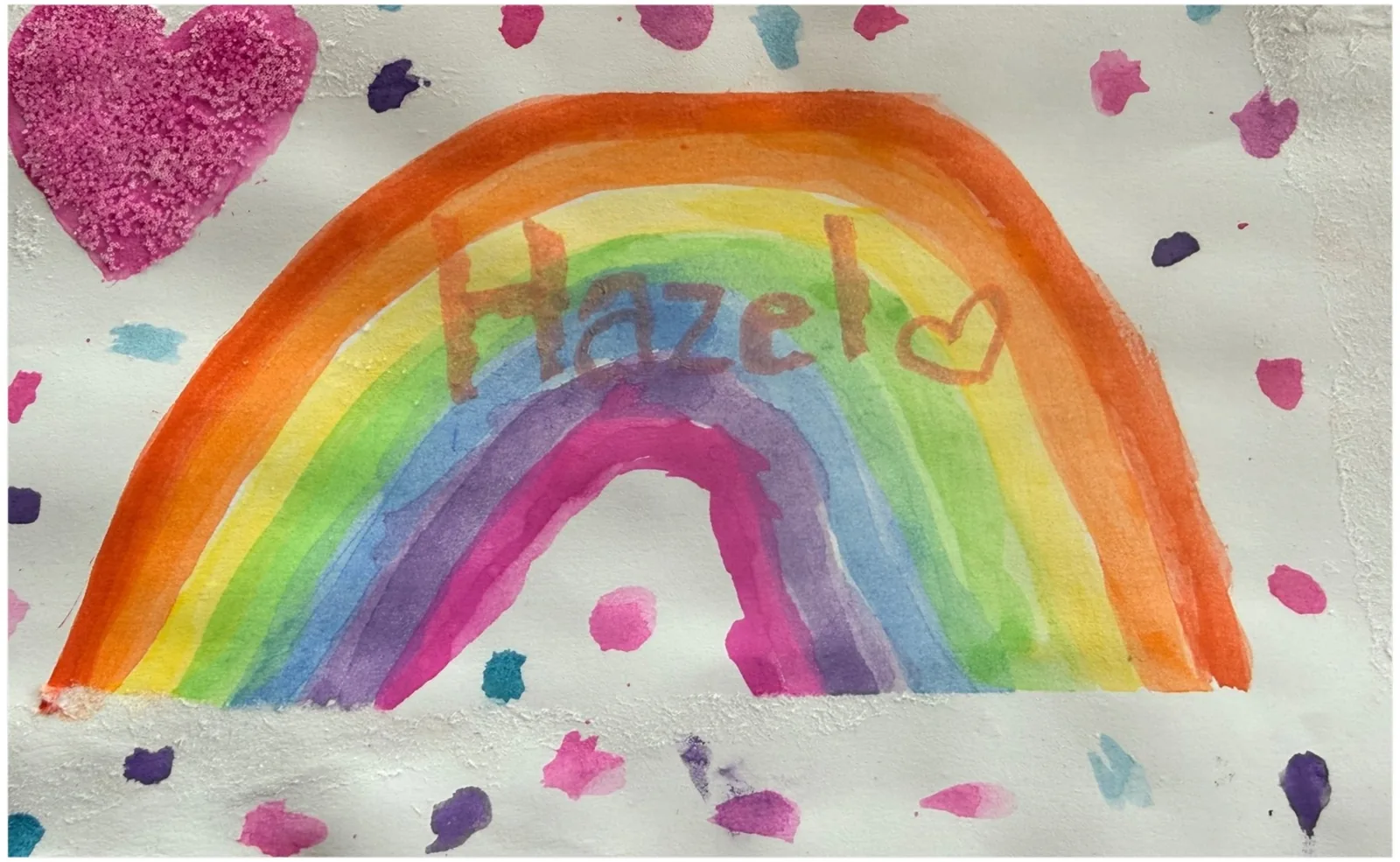
While they talk, listen for the phrase worth remembering. In Yearloom, kids' own words can be added as a note and are used in the title. So the piece keeps the name your child gave it, in their language, not a generic label.
You will be glad of that later. Funny, sincere little titles are the part that makes you laugh at years later.
Try not to rank the pieces out loud. Instead of saying which is nicest, say what you notice. The blue sky, the big smile, the careful corner. Children keep that kind of attention with them.
How many pieces should we keep?
Once your child has chosen, snap a photo of each pick. Yearloom is a private gallery just for family, and each piece comes back cleaned up, titled and dated. Start with a free trial, so there is room to begin without a big decision.
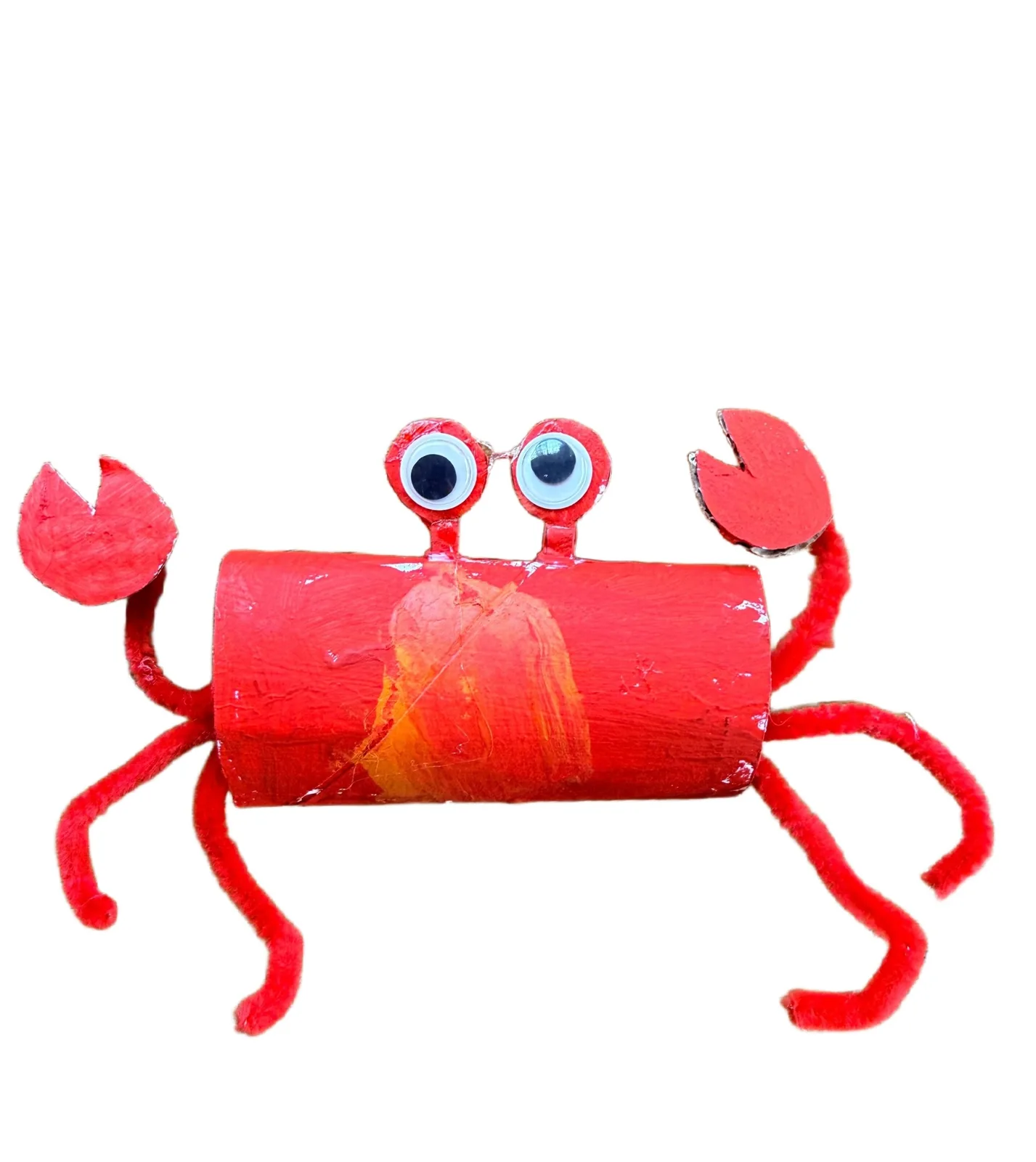
The pieces they did not choose can still be photographed if you want. Some parents save only the favorites. Others save a few extras that carry a memory only they would notice. There is no wrong answer.
What happens to the pieces we did not pick?
This is where choosing becomes a gift. The picks go in the small box of originals, and every piece, picks or not, is kept in the gallery. Your child can see that nothing they made is lost.
If your child is not ready to choose, that is fine too. Set the pile aside and revisit it next week. Feelings about art change as quickly as everything else at this age.
If you notice your child choosing the same kind of piece again and again, that is worth knowing too. It is a small window into what they care about this year.
How do we make choosing a habit?
Over time, choosing together becomes a small tradition. Your child gets used to being the curator of their own year. Share a pick from its page, and the pieces they chose get seen and enjoyed by the people they love.
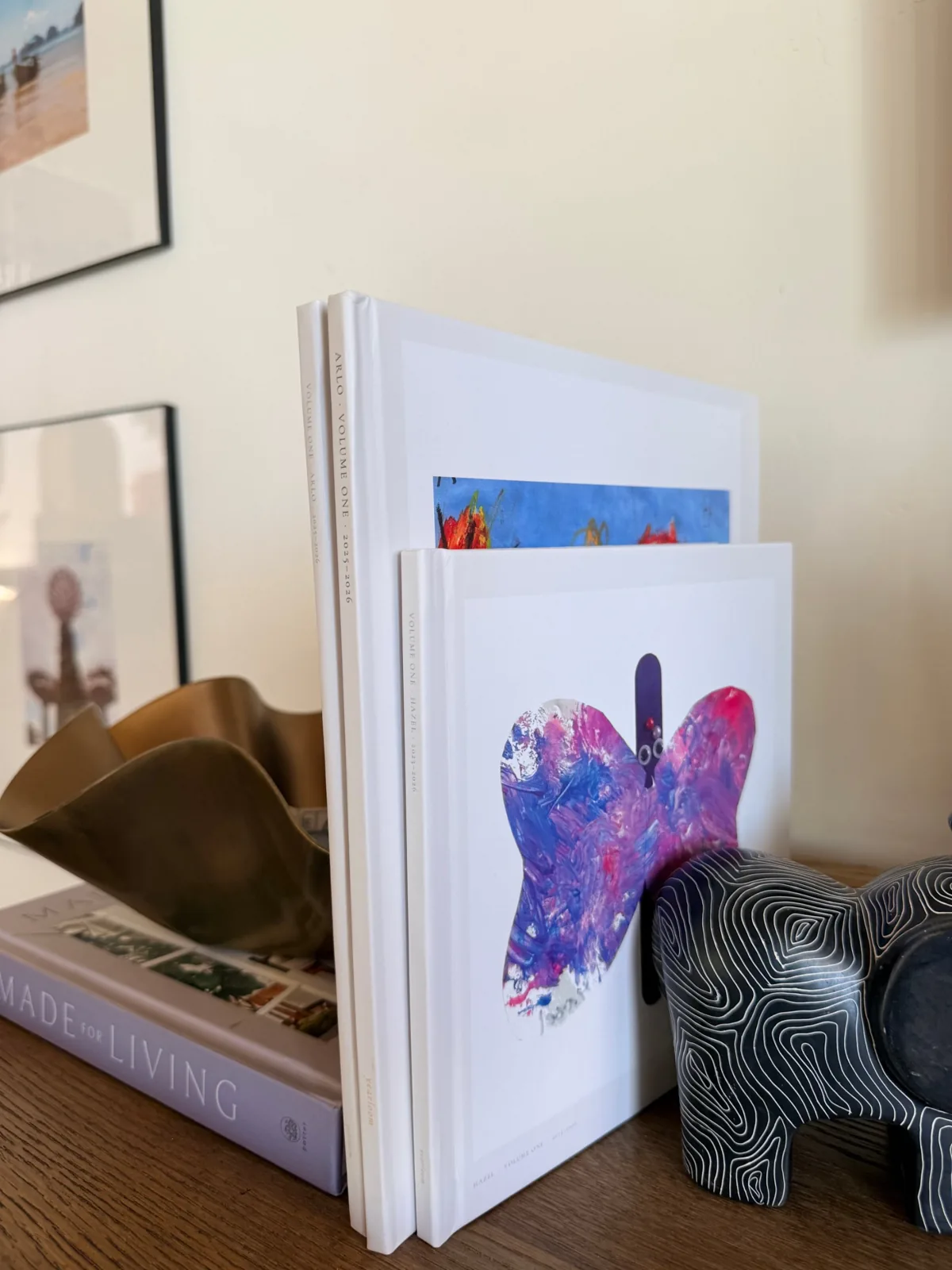
Later, when it is time to make a book, the work is already done. Your child chose every page.
Questions parents ask
How young can a child help choose what to keep?
Most children can show you a favorite as soon as they can point. Start with one question: which one do you love most?
Is my child’s art private?
Yes. It’s visible only to your account, and we never use it in marketing. We never sell your data or your art. You own it: Yearloom claims no ownership of your child’s art.
How does the free trial work?
You start with a free trial. A card is needed and you pay $0 today. If you cancel during the trial, you are never charged. For the plan and price, see the FAQ at yearloom.co/faq.